Column · @eduardorurt403
How Seasonal Timing Affects Liposuction Michigan Planning

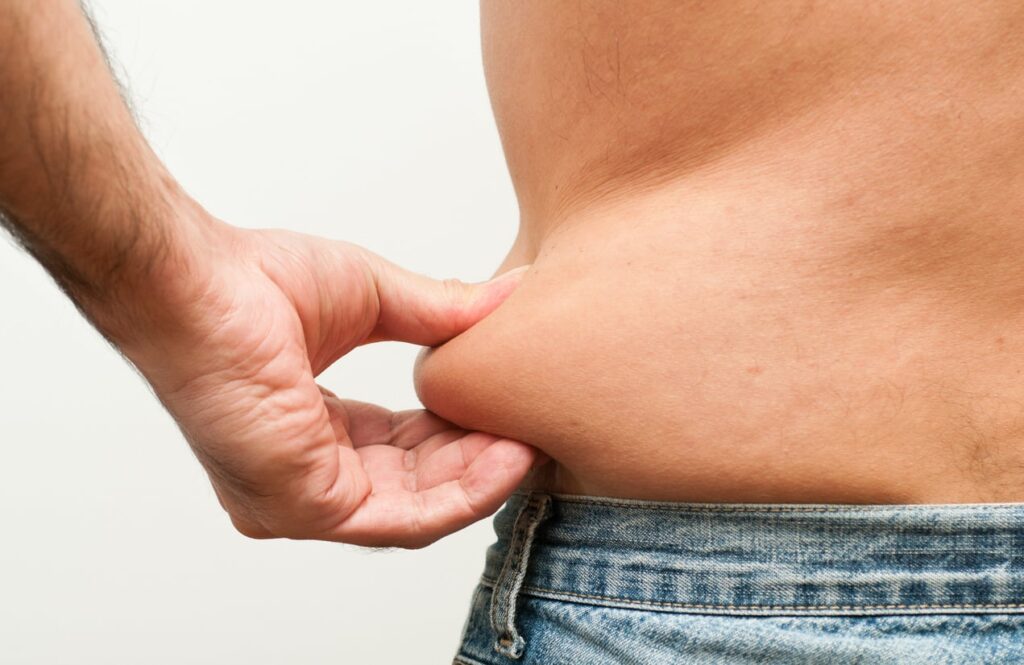
Choosing when to schedule liposuction is not a minor detail, especially in a place like Michigan where the seasons are pronounced and daily life shifts with the weather. Patients often focus first on surgeon selection, consultation timing, and cost, all of which matter. Yet the calendar can shape comfort, recovery, wardrobe choices, social obligations, and even how easy it feels to protect your results.
For anyone researching Liposuction Michigan options, seasonal timing deserves real thought. In practice, it often affects not only when patients want surgery, but when they are actually happiest they had it done. A well-timed procedure can make the recovery period feel manageable and discreet. A poorly timed one can add friction at every stage, from driving to appointments in icy weather to sweating through compression garments in July.
Michigan presents a specific set of planning variables. Winters can be harsh, springs can be unpredictable, summers are active and social, and fall tends to bring a practical rhythm that many adults find easier to work around. None of that means there is a single best season for every patient. It means the best timing is personal, and it usually becomes clearer once you look at your work schedule, family responsibilities, vacation plans, and tolerance for temporary restrictions.
Why timing matters more than many patients expect
Liposuction is often described as minimally invasive compared with larger body contouring procedures, but recovery still asks something of you. Even when someone returns to desk work quickly, they may deal with swelling, soreness, fatigue, garment use, and activity limits for a period of time. The first several days tend to matter most for comfort and logistics. The following weeks matter for routine, patience, and consistency.
That is where the season comes in. A person recovering in January may appreciate bulky sweaters, long coats, and the natural privacy of winter clothing. The same person may dislike navigating snow-covered sidewalks or rescheduling due to a storm. Someone recovering in June may enjoy easier travel and longer daylight, but might struggle more with swelling in the heat or with the frustration of sitting out lake weekends, outdoor workouts, and summer events.
There is also the issue of expectations. Many patients want to look and feel more confident for a specific milestone, such as a wedding, spring break trip, reunion, or summer season. The problem is that final contour refinement does not happen overnight. Swelling improves in stages, and the body needs time to settle. Planning backward from an event is often smarter than choosing surgery based only on when your schedule happens to open up.
Winter in Michigan, private and practical, but not effortless
A surprising number of patients prefer winter for body contouring. The appeal is easy to understand. Cold weather clothing naturally conceals postoperative swelling and compression garments. People are less likely to wear fitted shorts, swimsuits, or sleeveless clothing, so there is less social pressure to reveal a body that is still healing. There is also a certain emotional benefit to recovering during a quieter season. Many people already expect to spend more time indoors.
From a practical standpoint, winter can be a useful time for professionals who have a slower work cycle after the holidays. Parents sometimes find that once the holiday rush ends, the early months of the year offer fewer major social events. If your goal is to be ready for late spring or summer, a winter procedure often gives you a comfortable runway.
Still, Michigan winters ask for caution. Driving after surgery is not immediate, and having reliable transportation matters. Ice, snow accumulation, and freezing temperatures can turn a simple follow-up visit into a stressful trip. If you live in a rural area or commute long distances for care, weather should not be treated as an afterthought. Recovery is easier when you are not worrying about whether your ride can make it up an icy driveway.
Indoor heating also brings its own quirks. Dry air can leave people feeling generally uncomfortable, and some patients become more aware of skin sensitivity during the healing phase. That is not a reason to avoid winter surgery, but it is part of the lived experience. Patients who do best in winter tend to be those who organize help ahead of time, clear their schedules, and treat bad-weather contingencies as part of the plan rather than an unlikely inconvenience.
Spring, attractive on paper, complicated in real life
Spring often sounds ideal. The weather starts to improve, people feel motivated, and there is a strong psychological pull toward “getting ready” for summer. Consultation requests commonly rise when the first warm stretch hits Michigan. Patients imagine having surgery in April and looking fully recovered by Memorial Day.
That timeline can be too optimistic depending on the extent of the procedure and the individual healing process. Liposuction is not a next-week transformation. Early changes can be visible fairly soon, but swelling can linger, and subtle refinements continue over time. Patients who anchor their expectations to the first beach weekend of the year often end up disappointed, not because the surgery was unsuccessful, but because they underestimated biology.
Spring also has logistical drawbacks. School calendars become busy with performances, sports, graduations, and travel. Tax season affects some households and business owners. Weather remains erratic in Michigan. One week feels like April, the next feels like February. That unpredictability does not usually interfere with healing itself, but it can interfere with transportation, childcare, and routine.
On the other hand, for patients who want to be comfortably through the most noticeable phase of recovery before peak summer activity, early spring can work well. It can be especially effective for those who are not Liposuction Michigan chasing a single deadline and instead want steady progress before warm-weather wardrobes return in full force.
Summer, convenient for some, frustrating for others
Summer scheduling has a split reputation. Some patients love it because work eases up, children are out of school, and vacation time is easier to use. Teachers, school staff, college students, and some families naturally look at June or July. For certain jobs, summer is the one season when stepping back for a week feels realistic.
The problem is that summer in Michigan invites activity. People want to be outdoors. They want to go to the lake, walk festivals, sit at baseball games, travel north, and spend long afternoons in shorts and fitted casual clothes. Recovery can feel more restrictive in that setting. Compression garments are less pleasant in heat and humidity. Swelling may feel more noticeable when temperatures rise. Social events can be harder to avoid, and many of them involve food, alcohol, long car rides, or all-day standing, none of which pair especially well with the earliest recovery phase.
There is also the psychological mismatch between the season and the experience. Summer suggests freedom and spontaneity. Liposuction recovery asks for structure. Hydration, rest, follow-up visits, garment use, and gradual return to exercise all matter. People who do best with summer procedures are usually those with a very clear reason for the timing and a willingness to treat part of the season as a protected recovery window, not as an interruption they plan to ignore.
For some, that trade-off is worth it. A teacher, for example, may accept a quieter July in exchange for returning to work in late August with the early recovery behind them. That can be a very sensible decision. A patient expecting a carefree, swimsuit-heavy month immediately after surgery is often setting themselves up for frustration.
Fall, often the easiest season for thoughtful planning
If there is a season many experienced practices quietly appreciate for body contouring, it is fall. The weather moderates. Daily routines tighten back up. Vacation demands often ease after Labor Day. Clothing becomes more forgiving, but travel conditions are generally easier than in winter. For many adults in Michigan, September through November offers the best balance between privacy and predictability.
Fall also works well for patients who want to enjoy visible progress by the holiday season and more mature results by the following spring. There is enough time to recover without rushing, and enough structure in most households to maintain follow-up care. That matters more than patients sometimes realize. Good recovery is rarely dramatic. It is steady. It comes from doing ordinary things consistently, wearing the garment as directed, moving when appropriate, avoiding overexertion, and letting the tissues settle.
I have seen many patients who initially asked for a spring or early summer procedure shift to fall after discussing what their calendar actually looked like. Once they mapped out weddings, kids’ schedules, vacations, and work cycles, autumn made far more sense. It did not feel glamorous, but it felt manageable. In body contouring, manageable tends to win.
The clothing factor is more important than vanity
Patients sometimes hesitate to admit that wardrobe matters because it sounds superficial. It is not. Comfort and discretion during recovery affect stress levels, and stress affects the overall experience. Michigan’s seasonal clothing patterns can make one recovery period feel easy and another feel conspicuous.
Compression garments are part of many liposuction recoveries. Even when they fit well, they are still an extra layer. In cooler months, that layer blends naturally under sweaters, looser tops, joggers, and jackets. In peak summer, the same garment can feel much more noticeable, physically and emotionally. A patient who is comfortable in oversized hoodies and structured fall clothing often reports less self-consciousness than a patient trying to disguise swelling under lightweight summer fabric.
This is especially relevant for abdominal, flank, thigh, and back liposuction. Clothing rub points, waistbands, and seated comfort can vary depending on what the season requires. A patient wearing soft winter layers may barely think about it. A patient expected at multiple summer events in fitted dresses or swimwear will think about it constantly.
That does not mean you should choose surgery solely based on clothing. It means recovery comfort is part of the decision, and in Michigan, the seasonal wardrobe shift is substantial enough to influence quality of life during healing.
Event timing, the classic planning mistake
One of the most common planning errors is booking liposuction too close to an important event. The patient may not be bedridden or visibly “post-op,” but they may still be swollen, tender, or mentally preoccupied with healing. Formal clothes may fit differently. Travel may feel more tiring than expected. Photos might happen during a stage when the body is improving but not yet settled.
A realistic timing conversation usually includes more than just the surgery date. It includes the date you need to feel comfortable in clothes, the date you may be photographed, and the date you want to resume more normal exercise or travel. Those are not always the same.
The safest mindset is to give yourself more runway than you think you need. If a summer wedding, reunion, or beach trip matters deeply to you, planning months in advance is more prudent than aiming for a last-minute spring fix. Patients are almost always happier when their results are arriving earlier than expected rather than still evolving under a deadline.
Work, childcare, and transportation shape the best month more than weather alone
Seasonal planning is not really about temperature. It is about lifestyle friction. A patient with a flexible remote job and older children may recover beautifully in January. A patient with a physically demanding job, young kids, and limited help may struggle in the same month. Likewise, someone with strong family support and a quiet July may do very well with a summer procedure, while another person would resent every restriction.
Before choosing a season, it helps to pressure-test the ordinary parts of life. Ask yourself where help is coming from, who is driving you, what your work demands look like, and whether there is a realistic chance to rest without constant interruption.
Here are the practical questions that most often clarify the right window:
- When can you take several lower-demand days without feeling guilty or replaceable at work?
- Which season gives you the most reliable help with rides, meals, or childcare?
- Are you trying to be ready for a specific event, or are you simply looking for the least disruptive recovery period?
- How do you personally handle heat, heavy clothing, and temporary body changes?
- How far do you need to travel in Michigan weather for surgery and follow-up visits?
Patients who answer those honestly usually find their preferred season quickly. The answer is not always the season they first expected.
Weight stability and lifestyle rhythm often favor certain times of year
Liposuction is not a substitute for weight loss, and good candidates are usually close to a stable, maintainable weight. That is one more reason the seasonal conversation matters. Many people in Michigan have fairly predictable annual patterns. Winter holidays bring richer food and less activity. Spring brings motivation, sometimes a little unrealistic. Summer is active but social. Fall can be surprisingly stable, with routines resuming and fewer indulgent stretches than November and December.
If you know your weight tends to fluctuate seasonally, factor that in. Scheduling liposuction after a dramatic holiday swing or before you have re-established your normal habits is not ideal. Similarly, booking surgery at a moment Liposuction Michigan when you are about to start a major fitness kick can create confusion about expectations. Liposuction contours, but it does not replace the benefit of entering surgery at a stable baseline.
Many experienced patients do best when they spend several weeks or months in a realistic maintenance phase before surgery. They are eating normally, hydrating well, sleeping adequately, and moving consistently. Their body is familiar territory, not a temporary version created by a crash effort. Fall and late winter often support that rhythm better than highly social holiday periods or the impulsive “I need this before summer” rush.
Michigan weather affects movement after surgery in subtle ways
Early walking and gentle movement are part of a healthy recovery, but the season can influence how easy that feels. In winter, outdoor walking may be unsafe or unpleasant, especially on icy sidewalks. Patients then need an indoor plan, whether that means walking the house, using a treadmill at a conservative pace when cleared, or making a point to move regularly instead of settling in too completely.
In summer, movement is easier to accomplish, but there can be a temptation to overdo it. A patient may feel well enough to walk a long art fair, attend a full-day family event, or spend hours on their feet at an outdoor gathering. Feeling capable is not the same as being fully ready. Overactivity tends to show up later as increased swelling and soreness.
Spring and fall often hit the middle ground. Comfortable temperatures make short, gentle walks pleasant and sustainable without the extremes of cold or heat. It sounds minor, but those little recovery advantages add up.
If you want the smoothest planning process, think backward from your goal
Patients often ask for the single best time to schedule Liposuction Michigan procedures. There is no universal answer, but there is a reliable planning method. Start with the reason you want the procedure and the date by which you want to feel most like yourself. Then build backward with enough cushion for consultations, preoperative preparation, surgery, early recovery, follow-up appointments, and the slow tapering of swelling.
That approach tends to prevent rushed decisions. It also creates room to choose a date that aligns with your real life rather than your wishful life. Those are different things. Most adults do not need a perfect season. They need a season that allows them to recover without chaos.
A useful way to think about the year in Michigan is this:
| Season | Typical advantage | Common challenge | | --- | --- | --- | | Winter | Privacy, forgiving clothing, good lead time before summer | Snow, ice, transportation concerns | | Spring | Motivation and warmer weather | Unrealistic deadlines before summer events | | Summer | Easier vacation scheduling for some patients | Heat, social activity, garment discomfort | | Fall | Predictable routines, mild weather, practical recovery window | Busy school-year transitions for some families |
That table is not a rulebook. It is a starting point. The right answer depends on your anatomy, goals, support system, travel distance, and calendar.
The best season is the one you can respect
There is a difference between squeezing surgery into your year and truly planning for it. The patients who tend to report the smoothest recoveries are not always the ones who choose the so-called perfect month. They are the ones who choose a period they can protect. They arrange help. They clear enough space in the calendar. They understand that body contouring rewards patience more than urgency.
In Michigan, seasonal timing can work for you or against you. Winter offers privacy and time before warm weather. Spring gives hope, but can invite rushed expectations. Summer is convenient for some people and deeply inconvenient for others. Fall often gives the cleanest balance of comfort, structure, and discretion.
If you are considering Liposuction Michigan treatment, the smartest next step is not asking, “What month is best?” It is asking, “When can I recover well?” That question leads to better choices, calmer expectations, and usually better satisfaction with the entire process. Timing does not replace surgical skill, but it absolutely shapes the experience around it. For most patients, that experience matters more than they realize at the start.
Aesthetic Plastic Surgery & Laser Center, Michelle Hardaway M.D.
27920 Orchard Lake Rd, Farmington Hills, MI 48334, United States
+1 248-221-1957
FAQ About Liposuction Michigan
Is 55 too old for liposuction?
Age 55 alone does not determine suitability. A surgeon evaluates overall health, skin quality, healing risks, and realistic goals. A personal consultation is needed to assess candidacy and discuss alternatives.
What happens 10 years after liposuction?
Contour improvements can last, especially with stable weight. Aging, pregnancy, and weight changes can alter the appearance over time. Results vary, and liposuction does not prevent future body changes.
Can lipo get rid of an apron belly?
Liposuction reduces localized fat but does not remove hanging excess skin. An apron belly may require assessment for a skin-removal procedure instead of, or alongside, fat removal. A qualified plastic surgeon can explain appropriate options and their risks.