Column · @eduardorurt403
How Soon Can You Return to Work After Liposuction Farmington Hills?
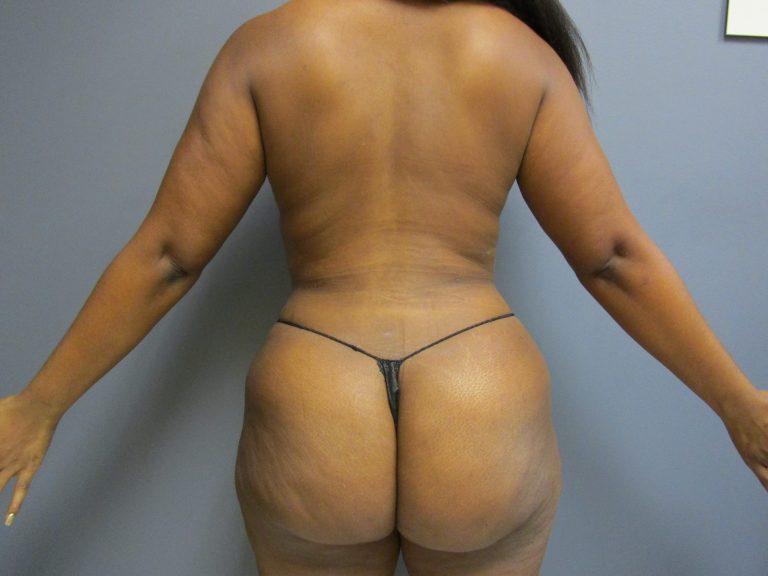
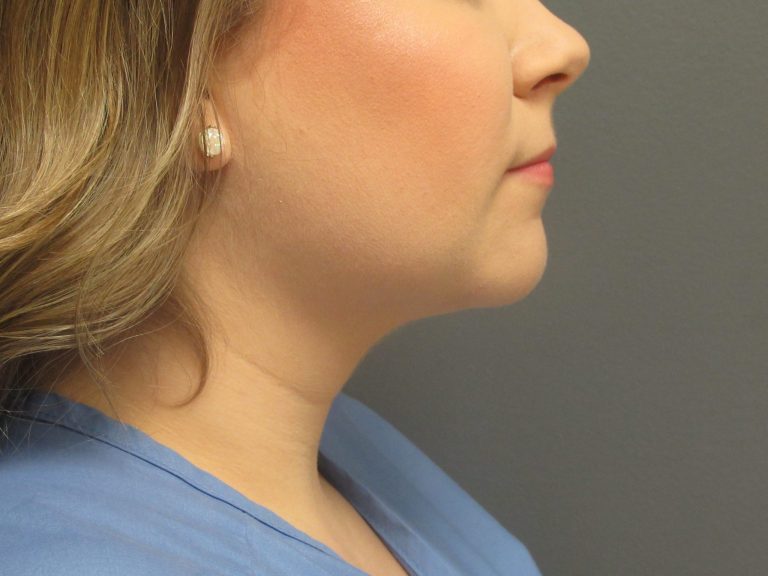
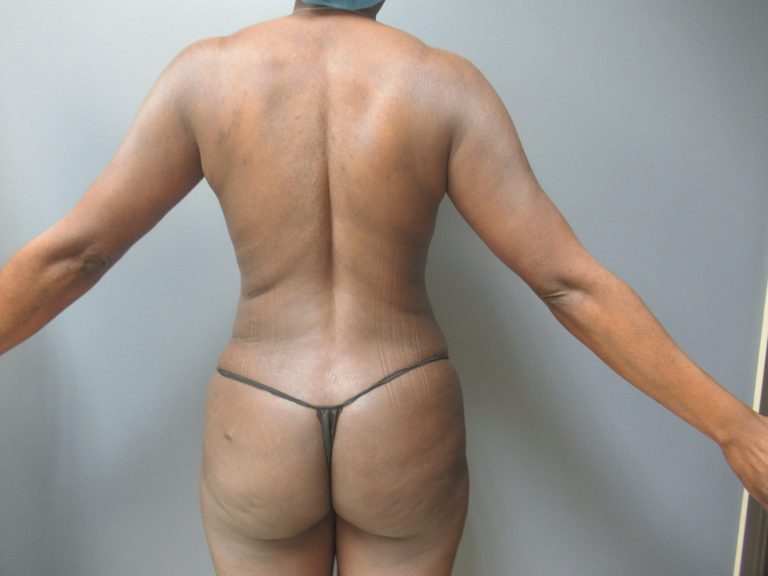
One of the first questions people ask before scheduling liposuction is not about the procedure itself. It is about real life afterward. How many days will I need off? Can I sit at a desk the next day? What if my job keeps me on my feet? For many patients considering Liposuction Farmington Hills, recovery is not an abstract medical topic. It is a calendar problem, a paycheck problem, and sometimes a privacy problem too.
The honest answer is that there is no single return-to-work date that fits everyone. Some people with small treatment areas and desk-based jobs feel ready within a few days. Others need a week or two, especially if several areas were treated, their job is physically demanding, or they tend to swell more than average. The range is normal.
What matters most is matching expectations to the kind of work you actually do, how extensive the procedure was, and how your body responds in the first several days. People often underestimate how tiring recovery can feel, even when pain is manageable. Liposuction is not usually described as unbearable, but it is still surgery. Your body spends energy healing, moving fluid, and calming inflammation. That affects stamina more than many expect.
The short answer most patients are looking for
For a desk job, many people return somewhere between three days and one week after liposuction. For jobs that require walking, lifting, bending, or long periods on your feet, one to two weeks is a more realistic window. If the procedure was more extensive, or involved multiple areas, recovery can push longer.
That does not mean you will feel terrible the whole time. In many cases, the first few days are the hardest because of swelling, soreness, drainage, and general fatigue. After that, patients often improve steadily. But “improving” is not the same as being ready for a full workday, a commute, fitted office clothes, and hours of concentration.
A lot depends on whether you can modify your routine. Someone who works from home, wears loose clothing, and can stand up frequently may go back sooner than someone who has to drive across town, sit through meetings, and wear structured business attire.
Why your job description matters more than the calendar
If I had to pick the biggest factor in return-to-work timing, it would be the physical demands of the job. The same procedure can lead to very different timelines depending on how the patient earns a living.
A financial analyst working remotely may be comfortable logging in after a few days, especially if the treated area can be supported with a compression garment under loose clothes. A hair stylist, nurse, warehouse employee, teacher, or dental assistant may need more time because their work involves standing, twisting, reaching, or moving quickly for long stretches. Even if pain is controlled, swelling and fatigue can make those tasks harder than expected.
This is where practical planning matters. If your work is physically active, ask your surgeon before surgery whether temporary restrictions are likely. You may be told to avoid heavy lifting, vigorous exercise, or intense lower-body movement for a period of time. That can overlap directly with your job responsibilities.
People sometimes assume they can “push through” because they have a high pain tolerance. Recovery does not work that way. You might tolerate discomfort well and still do too much too soon. That can worsen swelling, increase soreness, and make the next several days harder.
What the first week usually feels like
Most patients describe the sensation after liposuction as soreness, tightness, tenderness, and swelling rather than sharp pain. It can feel similar to having overworked a muscle group, except across a wider area and with more stiffness. If your abdomen, flanks, thighs, arms, or multiple regions were treated, changing positions can feel awkward at first.
The first 24 to 72 hours often involve the most drainage and the most obvious swelling. Compression garments are commonly worn during this phase, sometimes longer, depending on your surgeon’s instructions. Those garments help support healing, but they can also affect clothing choices and comfort at work. If you are picturing a quick return to fitted pants, a tucked shirt, or a uniform with no flexibility, plan more carefully.
By day three or four, many people are moving around better. Walking is usually encouraged early because gentle movement supports circulation and helps reduce stiffness. That said, the body is still healing. It is common to tire faster, even if the discomfort seems mild.
By the end of the first week, desk workers often feel significantly better. Swelling is still present, and some bruising may remain, but day-to-day function usually improves. Still, “good enough to answer emails” and “ready for a complete office schedule” are not always the same thing.
Typical return-to-work timelines by job type
The broad estimates below are not medical orders. They are practical ranges that tend to line up with what many surgeons discuss with patients. Your exact timeline should always follow your own postoperative instructions.
- Remote or desk-based work: often about 3 to 7 days
- Office work with commuting and long sitting periods: often about 5 to 10 days
- Jobs with prolonged standing or moderate movement: often about 1 to 2 weeks
- Physically demanding jobs with lifting or repetitive bending: often at least 2 weeks, sometimes longer
- Workouts, heavy labor, and strenuous activity: often delayed several weeks, depending on the extent of surgery
These ranges reflect a common pattern, not a guarantee. A patient who had a small area treated under local anesthesia may feel functional quite quickly. Someone who had multiple areas addressed at once may need noticeably more time, even with a smooth recovery.
The treatment area changes the equation
Not all liposuction recovery feels the same. The body area treated matters. Abdomen and flanks can affect sitting, getting out of bed, and core movement. Inner or outer thighs may make walking and climbing stairs more uncomfortable. Arms can make lifting, reaching, and typing feel tiring. Chin or neck liposuction has its own recovery profile, and some people return to nonphysical work sooner after that than after larger body contouring procedures.
When several areas are treated together, the cumulative effect matters. Even if each individual area seems manageable on paper, the total swelling and overall fatigue can be greater. That is one reason patients who combine procedures often need to build in more downtime.
There is also the issue of body mechanics. An accountant can work with sore thighs more easily than a preschool teacher who sits on the floor and stands up repeatedly. A patient with abdominal liposuction may not love sitting upright through back-to-back meetings by day three, even if they are walking around the house fairly well.
Local factors in Farmington Hills that patients sometimes overlook
When people search for Liposuction Farmington Hills, they are usually focused on finding a qualified surgeon and understanding the procedure. But local logistics matter too. Commute length, parking, weather, and work culture all affect how realistic your return date will be.
A short drive to a quiet office is different from a long freeway commute in traffic. Michigan weather can also complicate recovery planning, especially if you are having surgery during a season when bulky coats, slippery sidewalks, or heavy boots make movement more awkward. If you work in a role that expects polished appearance right away, it helps to remember that compression garments, swelling, and comfort-first clothing may shape your first week back.
This is one area where patients benefit from being conservative rather than optimistic. Taking one extra day off is usually easier than returning too soon and then struggling through the week.
Working from home can shorten the timeline, but not always
Remote work has changed recovery planning. People who work from home often assume they can return almost immediately because they do not have to dress up or commute. Sometimes that is true. Often it is partly true.
Being home removes several stressors. You can wear loose clothing, elevate when needed, stand up frequently, and keep water nearby. You may also be able to split your day into shorter working blocks instead of one long stretch. Those are real advantages.
At the same time, many remote jobs still require sustained focus, long video calls, or hours in one position. Swelling often increases when you stay still too long. If your compression garment feels tight, or if sitting presses on a treated area, a work-from-home setup does not magically erase that. Patients with good intentions sometimes open the laptop on day two and realize by lunchtime that they are far more drained than expected.
A useful middle ground is to plan a phased return. Start with limited hours or lighter duties if your employer allows it. That often goes better than jumping straight into a full workload.
Why swelling and compression garments affect work more than patients expect
Swelling is one of the least dramatic but most persistent parts of liposuction recovery. It does not always stop people from functioning, but it can shape how they feel throughout the workday. A person may wake up fairly comfortable, then feel much tighter by afternoon after sitting, walking, or wearing work clothes for hours.
Compression garments help support tissues during healing, but they come with trade-offs. They can feel warm, snug, and awkward under certain outfits. If your workplace requires a uniform, dress pants, fitted scrubs, or formal clothing, make sure you think about that before scheduling your return. This is especially true for abdominal and flank liposuction.
Many patients also notice a pattern: mornings are better, afternoons are puffier, evenings are slower. That rhythm can matter when you decide whether to go back on a Monday morning after surgery or give yourself a few more days.
Pain is not the only reason people stay home
When patients ask when they can work again, they often frame it around pain. Pain matters, but it is not the whole picture. Three other issues come up again and again: energy, mobility, and appearance.
Liposuction Farmington HIllsEnergy is the big one. Even when discomfort is well controlled, healing can leave you feeling unusually tired. This is especially common after larger-volume procedures or multiple treatment areas. Some people describe it as hitting a wall in the middle of the day.
Mobility matters too. If you are moving more slowly, sitting carefully, or needing extra time to stand up, that may not pair well with a fast-paced work environment. Finally, there is appearance. Bruising, visible swelling, or garments under clothing may not be a medical problem, but they can influence how comfortable you feel returning to work socially.
These concerns are not vanity. They are practical. Plenty of people prefer to take a few extra days simply so they can function normally and keep the recovery private.
Good planning usually matters more than toughness
The smoothest recoveries usually come from patients who plan well, not from patients who try to be heroic. If your Liposuction Farmington HIlls Aesthetic Plastic Surgery & Laser Center surgery date is fixed, work backward from it. Think about deadlines, payroll cycles, childcare, transportation, and whether you will need help the first day or two.
A little forethought goes a long way:
- Ask your surgeon for a job-specific estimate, not a generic one
- If possible, schedule surgery before a lighter work week or a long weekend
- Set up loose, easy clothing for the first several days back
- Plan for brief walking breaks during the workday
- Keep expectations modest for your first week back
That last point is important. If you normally work ten-hour days, travel between sites, or lead nonstop meetings, your “back to work” version for that first week may need to look different.
When returning too soon becomes obvious
Some patients can tell within a few hours that they misjudged the timing. The signs are usually not dramatic. They feel more swollen by midday, struggle to focus, need pain medication that makes them less sharp, or realize their work clothes are pressing uncomfortably on the treated area. Others notice increased soreness that evening and feel set back the next morning.
That does not always mean damage has been done. Often it just means the body was not ready for a full return. Still, it is better to avoid that cycle if you can. Recovery tends to go more smoothly when the first week back is manageable rather than forced.
If your workplace permits it, build in flexibility. Even a single half-day or an extra day at home can make the transition much easier.
Signs you should slow down and call your surgeon
Normal recovery includes swelling, bruising, drainage early on, soreness, and fatigue. What you do not want to do is dismiss symptoms that feel clearly outside your instructions or your surgeon’s expectations. If you have severe pain, rapidly worsening swelling, unusual redness, fever, calf pain, shortness of breath, or anything else your care team specifically warned you about, contact them promptly.
This is one reason generic online advice only goes so far. The details of your surgery matter, including how much was treated, what technique was used, your health history, and whether other procedures were combined. Your surgeon’s guidance should overrule any broad timeline you read elsewhere.
The emotional side of recovery and work
There is another layer to this conversation that does not get talked about enough. People often imagine they will feel immediately excited and productive once the procedure is behind them. Sometimes they do. Sometimes they feel puffy, tired, impatient, and a little unsure during the first week. That is normal.
Liposuction recovery can be psychologically awkward because results are not instant. Early swelling can temporarily obscure the contour change you were hoping to see. At the same time, you are managing time off, clothing, and work responsibilities. If you expect to feel perfectly normal right away, the gap between expectation and reality can be frustrating.
This is part of why a realistic work plan helps. It gives you room to recover without feeling as if you are failing at recovery or falling behind at work.
A few scenarios that show how different recovery can look
Take two patients with the same age and general health. One has small-volume flank liposuction on a Thursday and works from home in software support. She may be checking emails by Monday and fully working by Tuesday, with breaks to stand and walk. Another has abdomen and thigh liposuction and works as a medical assistant, on her feet most of the day. Even if her healing is uncomplicated, expecting her to return in three days would be unrealistic.
Or consider the patient with a desk job who feels physically fine by day four but has to wear a compression garment under tailored office clothes. He may choose to work remotely for another few days, not because something is wrong, but because comfort and discretion matter.
These are not exceptions. They are normal examples of why the question “How soon can I return to work?” needs context.
What to ask at your consultation
If you are actively researching Liposuction Farmington Hills, use your consultation well. Do not settle for a broad statement like “most people go back in a few days.” Ask your surgeon to estimate recovery based on the exact areas being treated, the amount of movement your job requires, whether you work on site or remotely, and whether you can safely modify duties.
It also helps to ask about garments, swelling, driving, medication, and the likely energy curve during the first week. Those details often matter more to work planning than the procedure length itself.
Good surgeons are usually very practical about this topic. They know that recovery is not just about incision care. It is about whether you can think clearly, move comfortably, wear your clothes, commute, and get through a normal day without making healing harder.
A realistic expectation serves you better than an optimistic guess
If you want the safest and smoothest answer, give yourself more time than the minimum. Not dramatically more, just enough to avoid rushing. Many patients are pleased when they recover faster than expected. Very few are happy when they schedule too tightly and feel pressured to perform before they are ready.
For most people, liposuction recovery is very workable, especially when they plan around the realities of their job and their body. A desk worker may only need several days. Someone with a physically active role may need one or two weeks, sometimes more. The right answer is the one that respects both healing and daily life.
When you are evaluating Liposuction Farmington Hills options, ask for a return-to-work plan that feels tailored, not generic. That conversation often tells you a lot about how thoughtfully a practice approaches patient care. And when the plan is realistic from the start, recovery tends to feel less stressful, more predictable, and much easier to manage.
Aesthetic Plastic Surgery & Laser Center, Michelle Hardaway M.D.
27920 Orchard Lake Rd
Farmington Hills, MI 48334
(248) 221-1957
FAQ About Liposuction Farmington Hills
What disqualifies you from getting liposuction in Farmington Hills?
A surgeon may recommend postponing or avoiding liposuction if a health condition, medication, or nicotine use raises the risk of surgery or poor healing. A consultation is needed to assess your medical history and whether the procedure fits your goals.
Can liposuction remove 20 pounds?
Liposuction is a body contouring procedure for localized fat. It is not a weight loss treatment, and a specific number of pounds is not a safe or useful target. The surgeon determines how much can be removed safely for each patient.
What are the risks of liposuction?
Risks include infection, changes in sensation, uneven contours, and complications from anesthesia or blood clots. A plastic surgeon can explain which risks apply to you and what to expect during recovery.