Column · @eduardorurt403
Liposuction Michigan for a More Defined Silhouette
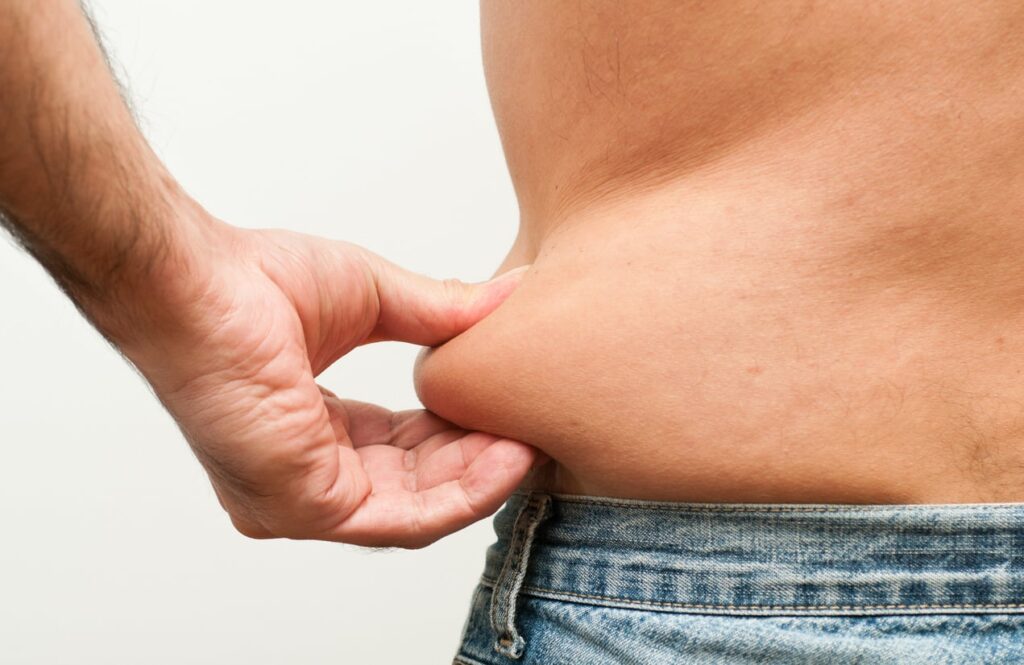
A more defined silhouette is not always a matter of effort. Many people reach a point where their weight is stable, their habits are solid, Liposuction Michigan and certain areas still refuse to respond. The lower abdomen holds on. The flanks soften the waistline. The outer thighs throw off proportions that otherwise feel balanced. That is usually the moment when liposuction enters the conversation, not as a substitute for healthy living, but as a body contouring procedure for stubborn fat that does not seem to budge.
For patients researching Liposuction Michigan options, the first thing worth understanding is this: liposuction is a shape procedure, not a weight loss strategy. That distinction matters. It influences who tends to be happiest with the result, how surgeons plan treatment, and what “success” actually looks like months later when swelling settles and the contour becomes more refined.
In practice, the best outcomes often come from restraint and judgment. Removing too little can leave someone disappointed. Removing too much can create irregularity, laxity, or an overworked appearance. The surgeon’s eye is as important as the technique. A good result should not look operated on. It should look like your natural frame, only cleaner, smoother, and more proportionate.
Why body contour matters more than the scale
Two people can weigh the same and wear entirely different sizes because shape drives how clothing fits and how the body reads visually. A small pocket of fullness above the waistline can change the line of a dress shirt. Bulk through the flanks can make tailored pieces feel wrong, even when the rest of the garment fits. Fullness under the chin can make someone look heavier in photographs than they are in real life.
That is why patients often describe their goal in surprisingly specific terms. They are not chasing a dramatic transformation. They want their pants to sit better. They want less rubbing at the inner thighs. They want to stop adjusting tops that cling at the lower abdomen. These are practical frustrations, and they are often the reason liposuction feels worth considering.
In Michigan, where wardrobes shift with long winters, layered clothing, and a strong preference for practical outerwear, body contour concerns can be less about beach season and more about everyday comfort and proportion. Heavy knits, fitted jackets, and workwear all reveal how the body carries volume. Patients are often looking for a cleaner line under clothes year-round, not just a temporary confidence boost.
What liposuction actually does
Liposuction removes fat cells from targeted areas through small incisions using a thin tube called a cannula. The procedure is designed to reduce localized fat deposits and improve contour. Common treatment areas include the abdomen, flanks, thighs, hips, back, upper arms, neck, and the area under the chin. In some patients, chest contouring or the knee area can also be addressed.
That sounds straightforward, but execution varies quite a bit. The surgeon must judge how much fat to remove, from exactly where, and at what depth. Fat sits in layers. Skin has its own elasticity. Muscle tone changes the final look. A patient with firm skin and a dense fat pocket may see a crisp improvement. A patient with looser skin may still benefit, but the plan has to account for what the skin can and cannot do afterward.
This is one reason experienced surgeons spend time on the exam and marking process. They are not just identifying where fat exists. They are mapping where removal will create balance. A narrow waist with untreated back rolls may still feel incomplete. Inner thigh reduction without attention to the outer thigh can shift the issue rather than solve it. Real contouring is rarely about a single isolated spot.
The best candidates tend to share a few traits
The people who are happiest after liposuction are usually close to a stable, maintainable weight and bothered by specific areas that remain out of proportion. They generally have decent skin tone, realistic expectations, and an understanding that recovery is a process. Liposuction can sharpen a silhouette beautifully, but it cannot fix every contour concern.
A patient in their early thirties with localized abdominal fullness and good skin elasticity may see a very satisfying change after one procedure. A patient in their late fifties who has skin laxity after weight fluctuations may still improve, but the conversation may include whether liposuction alone is enough or whether a lifting procedure would better address the looseness. Neither situation is wrong. They simply call for different planning.
There is also an emotional side to candidacy that good consultations bring into the open. If someone is hoping the procedure will repair self-esteem broadly, or rescue a lifestyle they do not feel in control of, that is worth discussing honestly. Surgery can refine shape. It cannot create inner stability on its own. Patients do best when the goal is specific and grounded.
Areas commonly treated and how they differ
The abdomen is probably the most requested area, but it is also one of the easiest to misunderstand. Some abdominal fullness comes from subcutaneous fat, which liposuction can treat. Some comes from muscle separation, intra-abdominal fat, or loose skin, which liposuction cannot correct. That is why one patient with a “belly pooch” may be a strong candidate for liposuction, while another may need a very different approach.
The flanks often respond especially well because reducing that side fullness can make the waist look narrower even if the front abdomen changes only modestly. Thighs are another area where nuance matters. Outer thighs affect silhouette from the front and back, while inner thighs affect comfort as much as appearance. Back contouring can produce a surprisingly elegant change under fitted clothing, particularly around the bra line or lower back.
Under-chin liposuction deserves its own mention because small-volume contouring in that area can have an outsized effect. A better jawline often photographs more dramatically than a modest reduction in waist circumference. It is also a region where precision is critical. Even a small amount of unevenness is more noticeable there than on the torso.
Technique matters, but judgment matters more
Patients often come in asking about specific branded methods. They may have heard about tumescent liposuction, power-assisted liposuction, ultrasound-assisted options, or laser-based devices. These technologies can be useful, and each has strengths depending on the tissue quality and treatment area. Still, the machine or device is not the main predictor of a good result.
Tumescent technique, which uses fluid to reduce bleeding and improve precision, is a common foundation in modern liposuction. Power-assisted systems can help with efficiency and control, especially in fibrous areas. Some energy-based tools can aid in fat disruption or mild skin contraction in selected cases. But the final contour still depends on a surgeon’s ability to work evenly, preserve smooth transitions, and stop at the right point.
It is similar to the difference between owning quality kitchen equipment and knowing how to cook. The tools matter. The outcome rests on the person using them.
A consultation should feel specific, not sales-driven
A useful consultation does not feel rushed or vague. It should cover anatomy, skin quality, goals, limitations, recovery, and whether another procedure might actually suit the concern better. If every body area seems to get an automatic yes, that is not a reassuring sign. Good surgeons turn patients down from time to time, or they modify expectations so the plan matches reality.
When people seek Liposuction Michigan providers, I often suggest paying attention to how carefully the surgeon explains trade-offs. For example, aggressive abdominal fat removal in someone with mild skin looseness might technically reduce volume while making laxity more obvious. Thigh contouring can improve shape, but over-resection may create adhesion or waviness. Chin liposuction can sharpen the profile, but only if the skin has a decent chance of redraping well.
A thoughtful surgeon will also ask about weight stability, past surgeries, nicotine use, medications, and daily responsibilities. Recovery logistics matter more than patients expect. A parent with a toddler, a nurse working long shifts, and a desk-based professional all need different timing and planning, even if their procedure is similar on paper.
Recovery is often easier than feared, but it is still real recovery
Liposuction recovery is not usually described by patients as sharp, dramatic pain. More often, they compare it to deep soreness, bruising, tightness, and swelling after a very strenuous workout, except the feeling lasts longer and affects ordinary movement. The first several days are the most inconvenient. After that, most people begin to feel steadily better, even though swelling continues for weeks.
Compression garments are commonly part of the process. They help support tissues and can make patients feel more comfortable as swelling peaks and settles. The exact duration varies by surgeon and treatment area. Drainage from the small incisions can happen early on, especially after tumescent infiltration, and that can surprise people if they were not prepared for it. It is normal, but it is messy and best managed with practical planning at home.
Most patients can return to light activity fairly quickly, though “quickly” is not the same as “fully.” Walking is encouraged early. Heavy workouts, lifting, and high-intensity exercise generally need to wait until healing is further along. Bruising often improves substantially over two to three weeks. Swelling can persist much longer, especially in the abdomen and thighs. The final result usually reveals itself gradually. Early contour changes are visible, but refinement continues for months.
This delayed gratification is one of the hardest parts for impatient patients. Someone may look in the mirror at three weeks and feel uncertain because the area seems firm or puffy. That does not mean the result is poor. It often means the body is still working through normal inflammation and tissue settling.
What results tend to look like when they are done well
A strong liposuction result usually reads as proportion, not obvious subtraction. The waist curves more naturally. The flank no longer interrupts the side line of the torso. The inner thighs stop touching as much. A jawline appears cleaner in profile. Friends may say someone looks fitter or more rested without identifying exactly why.
There is a practical threshold to change. Removing a very small amount from a broad area may produce too subtle a result. Removing too much in pursuit of dramatic definition can look unnatural, especially when the body moves. The best work respects the architecture of the body. It enhances it rather than flattening it.
That also means perfection is not the right benchmark. Human bodies are not fully symmetrical. Skin quality differs from one side to the other. Healing introduces some variability. Good surgeons aim for smooth, balanced contour improvement, not mathematical precision. Patients who understand that distinction tend to navigate recovery with less anxiety.
Skin quality can make or break the final impression
Fat removal and skin behavior are inseparable. If the skin contracts well after volume is reduced, contour looks cleaner. If the skin is thin, stretched, sun-damaged, or genetically prone to laxity, the improvement may be more limited. This is one of the reasons younger patients, or older patients with unusually good elasticity, sometimes see especially satisfying results.
Pregnancy history, major weight loss, and age all matter, but not in a simplistic way. I have seen patients in their forties with better skin recoil than patients in their twenties after large weight fluctuations. The exam tells the story better than the birth date. During consultation, a surgeon may pinch the skin, look at how it snaps back, and assess whether there is crepiness or looseness that could remain visible after fat reduction.
For some patients, the best plan is combined contouring. Liposuction may be paired conceptually, though not always at the same time, with a tummy tuck, arm lift, thigh lift, or neck tightening procedure. That does not mean liposuction failed. It means the original concern was partly about loose tissue, not just excess fat.
Questions worth asking at a consultation
A few direct questions can reveal a lot about a surgeon’s approach and whether it aligns with your goals.
- Based on my skin quality, what kind of contour change is realistic from liposuction alone?
- Which areas would you treat together, and which would you avoid treating at the same time?
- How much downtime should I expect given my job, family responsibilities, and activity level?
- What does swelling typically look like at two weeks, six weeks, and three months?
- If my main issue is looseness rather than fullness, what alternatives should I consider?
Notice that none of these questions ask for hype. They ask for planning, limitations, and honest forecasting. That is where good decision-making lives.
Cost, value, and the temptation to shop by price
Patients understandably ask about cost early, and it is a valid part of the decision. Liposuction pricing varies based on the size and number of areas treated, facility fees, anesthesia, geographic market, and the surgeon’s training and reputation. In a state as varied as Michigan, prices can differ meaningfully between practices and regions.
The challenge is that price alone tells you almost nothing about value. A lower quote may reflect fewer areas, less experienced support staff, shorter follow-up, or a lighter-touch plan that will not meet your goals. A higher quote may include a more comprehensive approach, accredited facility use, or more involved aftercare. It may also simply reflect market positioning. That is why comparing consultations side by side is more useful than comparing numbers in isolation.
Revision surgery is where bargain shopping often becomes expensive. Correcting contour irregularities, asymmetry, or under-correction is usually harder than doing the original procedure well. If a patient asks me where to be most careful with their budget, I would say this: do not economize on judgment.
The role of weight stability after surgery
Liposuction removes fat cells from treated areas, but it does not make the body immune to weight gain. If someone gains a meaningful amount of weight later, remaining fat cells can enlarge. The contour may still look different than before, yet some of the refinement can soften. On the other hand, patients who maintain a stable weight often enjoy their result for many years.
That is why timing matters. A person actively losing weight may be better served by waiting until their weight settles, especially if they are within a comfortable range they can sustain. A person planning pregnancy may also want to discuss how that timeline intersects with body contour goals. Liposuction does not prevent future changes, and it is easier to appreciate the result when life variables are not about to shift dramatically.
Choosing a Michigan practice with confidence
The search for Liposuction Michigan care should start with credentials and experience, but it should not end there. Board certification in the appropriate surgical specialty, a strong procedural focus, a reputable facility, and clear preoperative education are all important. So is communication. You should leave the consultation understanding not just what the surgeon can do, but what your body is likely to do in response.
Pay attention to before-and-after photos with body types that resemble yours. Pay attention to whether the surgeon discusses scar placement, compression, follow-up, and when you can resume real life. Pay attention to whether they listen when you describe your goals in plain language. The patient who says, “I want my waist to show in clothes again,” is giving valuable information. That goal deserves interpretation, not a canned reply.
A defined silhouette is not about chasing someone else’s shape. At its best, liposuction clarifies the body you already have. It removes distractions. It brings balance back into view. When the plan is thoughtful and the expectations are grounded, the result can feel less like becoming a different person and more like returning to a version of yourself that had been obscured.
Aesthetic Plastic Surgery & Laser Center, Michelle Hardaway M.D.
27920 Orchard Lake Rd, Farmington Hills, MI 48334, United States
+1 248-221-1957
FAQ About Liposuction Michigan
Is 55 too old for liposuction?
Age 55 alone does not determine suitability. A surgeon evaluates overall health, skin quality, healing risks, and realistic goals. A personal consultation is needed to assess candidacy and discuss alternatives.
What happens 10 years after liposuction?
Contour improvements can last, especially with stable weight. Aging, pregnancy, and weight changes can alter the appearance over time. Results vary, and liposuction does not prevent future body changes.
Can lipo get rid of an apron belly?
Liposuction reduces localized fat but does not remove hanging excess skin. An apron belly may require assessment for a skin-removal procedure instead of, or alongside, fat removal. A qualified plastic surgeon can explain appropriate options and their risks.