Column · @eduardorurt403
What Sets Liposuction Michigan Experts Apart?

When people begin researching body contouring, they usually start with technique names, before-and-after photos, and cost. Those details matter, but they do not explain why one surgeon consistently delivers smooth, balanced results while another leaves patients with irregular contours, prolonged swelling, or disappointment. The difference is rarely a single machine or a flashy marketing promise. More often, it comes down to judgment, anatomy knowledge, restraint, and a strong surgical process from consultation through recovery.
That is especially true when people look for Liposuction Michigan specialists. Patients here are not all seeking the same thing. A suburban parent hoping to refine the waist after pregnancies has different concerns than a man in his fifties frustrated by persistent abdominal fullness, or a younger patient who exercises regularly but cannot slim the flanks. A true expert recognizes those distinctions quickly. They understand what liposuction can improve, what it cannot fix, and when another procedure, or no procedure at all, is the better answer.
The surgeons who stand out tend to share certain habits. They are careful in the consult room, disciplined in the operating room, and honest about the recovery period. They focus as much on proportion and skin behavior as they do on fat removal. They know that removing more fat does not automatically create a better silhouette. In fact, over-resection is one of the fastest ways to ruin a result that initially looked promising on paper.
Expertise starts with patient selection
One of the clearest signs of a high-level liposuction specialist is the ability to say no. That may sound counterintuitive in a cosmetic practice, but it is often what protects patients from poor outcomes.
A patient may come in asking for abdominal liposuction when the real issue is loose skin, muscle separation after pregnancy, or both. In that case, even a technically smooth liposuction procedure may leave the person frustrated because the lower abdomen still protrudes or hangs. Another patient may want aggressive neck liposuction, but the skin elasticity is too limited to redrape well. The result could be more laxity, not a sharper jawline. Experienced surgeons catch these issues early and explain them clearly.
In Michigan, where patients range from highly active younger adults to older adults dealing with weight fluctuations, this kind of nuanced selection matters. Seasonal clothing changes can also affect motivation. Many people seek treatment before summer, weddings, or travel, then push for shortcuts. The better surgeons resist that pressure. They know that a procedure done for the wrong reason, or on the wrong candidate, creates problems that no amount of postoperative reassurance can fix.
There is also the issue of weight stability. Liposuction is a contouring procedure, not a substitute for weight loss. Experts emphasize this because they have seen what happens when expectations drift. If someone is planning to lose another 25 or 30 pounds, timing may need to change. If they have recently gained and lost weight several times, skin quality becomes a bigger part of the conversation. Good candidates usually have localized fat deposits, relatively stable weight, and realistic goals about refinement rather than transformation.
A trained eye for proportion, not just fat removal
Many people imagine liposuction as a simple subtraction problem. Fat in, fat out. In practice, it is closer to sculpture than excavation. The surgeon is not merely reducing volume. They are shaping transitions between aesthetic units: waist to hip, abdomen to flank, chest to underarm, chin to neck.
This is where experts distinguish themselves. They do not treat the body in isolated patches. They look at how the torso reads from the front, oblique, and side views. They assess pelvic width, rib flare, muscle tone, and asymmetry. A patient may point to the lower belly, but the contour problem may be worsened by fullness in the flanks. Another may fixate on “love handles,” when the better approach includes the upper abdomen to avoid creating a disconnected look.
A common example appears in abdominal contouring for men. Some men request very aggressive central abdominal liposuction because they want a flatter stomach. An experienced surgeon knows that if the flanks remain too full, the waist still looks blocky. Reducing one zone without balancing the surrounding contours often makes the result look unnatural. The same principle applies to the outer thighs, knees, upper arms, and submental area.
This eye for proportion is not easy to market because it is subtle. You see it in results that look believable. Clothes fit better. The body appears leaner and more athletic, even if the actual volume removed was moderate. The patient often says, “I look like myself, just more polished.” That is usually the work of someone who understands harmony better than hype.
Technical skill shows up in the smoothness of the result
Patients often ask about the latest device or whether one branded form of liposuction is superior to another. Technology has a place, but the finish of the result still depends heavily on the operator. Smoothness, symmetry, and contour consistency do not come from a logo on a machine.
The most respected liposuction surgeons are meticulous about depth, cannula control, and feathering. They know where fibrous fat behaves differently, how skin thickness varies by body region, and why superficial work carries both aesthetic opportunity and risk. If treatment is too deep in one area and too superficial in another, contour irregularities can become visible as swelling resolves. If suction is uneven, a patient may develop dents, grooves, or waviness that become more obvious under direct lighting or fitted clothing.
This is one reason revision liposuction can be far more difficult than a primary case. Scar tissue changes the tissue planes. Landmarks are less forgiving. Skin may already be compromised. Surgeons who routinely handle revision cases often have a sharper understanding of what went wrong elsewhere, and that perspective tends to make them more careful with first-time patients.
The best technical operators also think ahead to healing. They avoid creating abrupt transitions. They preserve enough support under the skin. They appreciate that the body will swell, settle, and contract over months, not days. It is easy to chase a perfect intraoperative appearance and remove too much. It takes maturity to stop when the contour is balanced and the tissue has been treated respectfully.
The consultation is more revealing than the advertisement
Marketing in cosmetic surgery can be polished to the point of fiction. Clean branding, dramatic testimonials, and heavily filtered before-and-after images do not tell you how a surgeon thinks. The consultation does.
A meaningful consultation should feel detailed, not rushed. The surgeon should examine standing anatomy, discuss skin quality, and explain how the result is likely to evolve over time. They should ask about prior surgeries, scarring tendencies, nicotine use, medications, and lifestyle. If they barely touch on recovery, compression, swelling, or limitations, that is worth noticing.
Patients looking for Liposuction Michigan providers can learn a lot from a few simple observations:
- Does the surgeon explain what liposuction cannot improve?
- Do they comment on skin elasticity and not just fat thickness?
- Do they identify asymmetries before surgery so you are not surprised later?
- Do they offer a plan tailored to your frame rather than the same script for everyone?
- Do they speak with calm specificity instead of sales language?
That kind of conversation tends to reflect deeper competence. Skilled surgeons are usually comfortable discussing trade-offs because they make those decisions every week. They know a slightly more conservative result may heal more beautifully. They know combining procedures can be efficient in some patients and excessive in others. They know when a short-term desire for dramatic change should yield to long-term contour integrity.
Local experience matters more than many people realize
It is easy to assume that expertise is portable and that any reputable cosmetic surgeon in any location offers essentially the same patient experience. In reality, local practice patterns shape judgment in ways patients can feel.
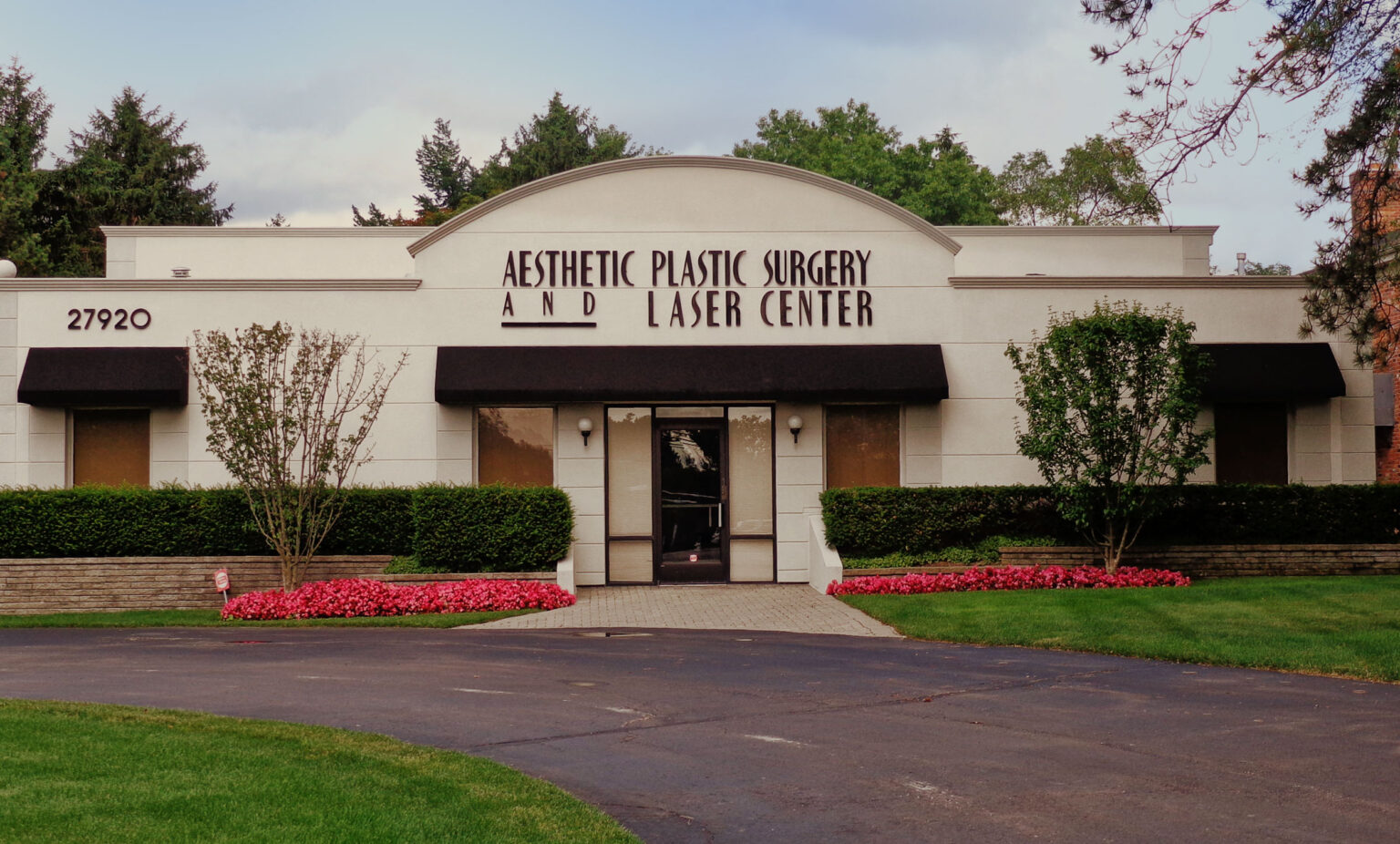
Michigan specialists often treat a broad mix of patients from urban, suburban, and smaller community settings. They may see body types influenced by seasonal lifestyle changes, variable activity levels, Liposuction Michigan Aesthetic Plastic Surgery & Laser Center and the common pattern of winter weight gain followed by spring urgency. They also work with patients who need realistic planning around weather and recovery. A person scheduling liposuction in late fall or winter may find compression garments and limited sun exposure easier to manage, while someone aiming for a spring timeline may need frank guidance that swelling can outlast a vacation deadline.
There is also value in accessibility. Follow-up care matters in liposuction, especially when swelling patterns vary or a patient needs reassurance about firmness, numbness, asymmetry during healing, or scar maturation. Being able to return to the office for appropriate evaluation is not a minor convenience. It is part of good care. Local experts who build strong postoperative systems usually see problems earlier and manage them better.
Anesthesia, safety, and setting are part of the result
Patients often focus so much on aesthetics that they underestimate the importance of the surgical setting. Yet a beautiful outcome depends first on a safe procedure. The experts who earn long-term trust are not casual about this.
They operate in accredited facilities or hospitals with trained staff, clear protocols, and appropriate monitoring. They think carefully about total treatment area, fluid management, and operative time. They do not stack procedures carelessly just because a patient wants “everything done at once.” That restraint can be frustrating in the moment, but it often reflects real experience rather than lack of ambition.
Safety planning also includes medical screening and medication management. A patient on certain supplements, blood thinners, or nicotine products may face increased bleeding or wound-healing risk. Someone with poorly controlled blood pressure, diabetes, or sleep apnea may need optimization before surgery. Skilled surgeons do not wave these issues away. They address them because cosmetic surgery is still surgery.
A professional team also prepares patients for normal recovery rather than pretending it will be effortless. Bruising, fluid shifts, soreness, and swelling are common. The first week can be awkward, especially when bending, dressing, or sleeping comfortably. Areas of firmness may persist for weeks or months. Numbness is not unusual. When a practice educates well, patients are less likely to panic over normal stages of healing and more likely to recognize when they truly need evaluation.
Postoperative management separates polished practices from average ones
Some of the best liposuction outcomes owe as much to recovery management as to the suction itself. Expert practices have systems. They do not leave patients guessing about compression, activity progression, hydration, lymphatic massage questions, or what to do if one side swells more than the other.
Swelling after liposuction can be surprisingly uneven, especially early on. One flank may seem larger for days. The lower abdomen can look puffier at night than in the morning. The chin and neck may go through a phase where they appear firmer before they appear slimmer. None of this necessarily means the result is poor. What matters is whether the patient was prepared for these patterns and has access to informed follow-up.
Strong postoperative guidance usually includes a few essential points:
- Wear compression exactly as directed, not tighter and not looser.
- Walk early, but return to strenuous exercise gradually.
- Expect contour changes for several months, not a few weeks.
- Report severe pain, shortness of breath, fever, or rapidly expanding swelling promptly.
- Judge the result only after the tissues have had time to settle.
This is where experience calms the entire process. A seasoned surgeon can often tell, at two or six weeks, whether a firmness is ordinary postoperative induration or something that needs intervention. They know when a small asymmetry is just swelling and when it may persist. That level of judgment is hard to fake and impossible to replace with generic discharge instructions.
Revision work reveals the depth of a surgeon’s understanding
If you want to know whether a surgeon has advanced contouring skill, ask about revision cases. Primary liposuction is one thing. Correcting a contour that has already been overtreated, scarred, or distorted is another.
Revision patients may present with depressions, uneven thickness, residual fullness, skin adherence, or broad asymmetries that were not present before the first surgery. These cases demand patience and realism. Sometimes the improvement potential is meaningful but not perfect. Fat grafting may be part of the answer. Sometimes the best plan is staged rather than one-and-done.
Surgeons who handle revision work responsibly tend to be strong thinkers. They are used to analyzing tissue behavior, not just following a standard recipe. They understand where things go wrong, which usually means they are more careful to avoid those mistakes in the first place. Even for patients seeking primary liposuction, that background can be reassuring.
Communication style often predicts the overall experience
There is a practical side to bedside manner. Warmth is helpful, but clarity matters more. Patients do best when the surgeon communicates with confidence and precision, without overselling certainty.
For example, if a patient asks how much fat will be removed, the best answer is often contextual rather than dramatic. The exact volume matters less than achieving a balanced contour safely. If a patient asks whether one area will be “completely flat,” the expert explains anatomy, skin elasticity, and baseline structure. If someone wants visible abdominal definition, the surgeon discusses body fat percentage, muscle development, and whether that goal is even appropriate.
This kind of honesty can save patients from emotional whiplash later. Cosmetic surgery disappointment often starts not with a bad technical result, but with a bad promise. Professionals who are careful with expectations tend to produce more satisfied patients because their plans are rooted in reality.
What patients should notice before choosing a surgeon
The strongest results usually come from a combination of technical discipline and ethical restraint. Patients can often sense that difference if they know what to watch for.
Look closely at before-and-after photos. Are the after images taken in consistent lighting and posture, or do they rely on angles and tan lines to exaggerate change? Do the contours look smooth at the edges, especially around the waist, hips, and lower abdomen? Can you see examples of patients with body types similar to yours? A naturally elegant result on a patient with mild fullness tells you more than an extreme transformation that may not resemble your situation.
It also helps to listen for how the surgeon discusses limitations. Someone with deep experience in Liposuction Michigan cases will usually speak in specifics about healing timelines, body proportions, and contour strategy. They will not need to hide behind buzzwords. Their confidence tends to come from repetition, pattern recognition, and respect for anatomy.
The real difference is judgment
If there is one trait that consistently sets top liposuction specialists apart, it is judgment. Judgment determines who should have surgery, how much to remove, which areas to combine, when to stop, and how to guide recovery. It shapes the subtle choices that patients may never see directly but definitely experience in the final outcome.
Technical skill matters. Credentials matter. Facility standards matter. Yet judgment is what ties them together. It is what keeps a surgeon from chasing volume when shape is the real goal. It is what prompts a recommendation for skin tightening or abdominoplasty instead of liposuction alone. It is what prevents a good candidate from being overtreated and a marginal candidate from being mistreated.
That is why the search for a surgeon should not begin and end with price or popularity. A thoughtful specialist approaches liposuction as contour design grounded in surgical discipline, not a commodity procedure. When patients find that level of expertise, the result tends to look less like “work done” and more like a body finally matching the effort they already put into it.
Aesthetic Plastic Surgery & Laser Center, Michelle Hardaway M.D.
27920 Orchard Lake Rd, Farmington Hills, MI 48334, United States
+1 248-221-1957
FAQ About Liposuction Michigan
Is 55 too old for liposuction?
Age 55 alone does not determine suitability. A surgeon evaluates overall health, skin quality, healing risks, and realistic goals. A personal consultation is needed to assess candidacy and discuss alternatives.
What happens 10 years after liposuction?
Contour improvements can last, especially with stable weight. Aging, pregnancy, and weight changes can alter the appearance over time. Results vary, and liposuction does not prevent future body changes.
Can lipo get rid of an apron belly?
Liposuction reduces localized fat but does not remove hanging excess skin. An apron belly may require assessment for a skin-removal procedure instead of, or alongside, fat removal. A qualified plastic surgeon can explain appropriate options and their risks.